By maintaining a reliable fleet operation, your team can avoid unexpected issues or emergencies and reduce stress. You can do this by implementing clear fleet management processes. This gives you fleet leaders the support they need. When your manager and drivers are understood and supported, they are more likely to stay compliant and perform to the best of their abilities. When you follow your telematics and vehicle health closely, your driver behavior and day-to-day performance will operate with more confidence. Today, we are going to talk about these operations and the challenges that can make them difficult to maintain. The team at Impact Truck & Auto is here to walk you through this process and recommend our best practices.
Fleet Operations: What Are They and Why Are They Important?
Fleet operations can be described as many things. However, a broad definition would be coordinating people, processes and the technology needed to keep a company’s vehicles safe and efficient. This means monitoring driver activity across your organization and planning what and how many resources are needed. Good fleet operations make sure an organization’s vehicles run reliably. Fleet operations managers use tools and data to support these efforts. Their responsibilities may include:
Monitoring performance
Understanding how assets are used
Identifying opportunities to improve operations
When your teams have accurate information, they can make better decisions and their driving choices will be safer in the long run. This lowers costs and makes everything more reliable.
Fleet Operations Key Components
In order to work for your organization, fleet operations have to have some components that work together to promote the work environment. Some of these components are:
Fleet Management Systems: These place all of the most important fleet functions into one place and provide your organization with live updates and insights on your trucks. This helps you to plan in the future and makes your schedules easier to manage. Some of the data included in these systems include idle time and repeated maintenance needs.
Driver Management: To reduce incident and accident risk, you would be tracking the training needs and driving performance of your drivers.
Vehicle Maintenance: Keeping up on your maintenance helps to keep your fleet ahead on simple repairs and may prevent some more serious issues in the future. This reduces downtime and keeps your trucks on the road.
Cost Tracking: Knowing your expenses can help you to save money. If you are spending more on certain vehicles, they may have more internal errors that you need to address. This will save you a lot of expenses in the long run.
When all of these components are present at once, your fleet stays reliable and your performance can adapt and change conditions easily.

Benefits of These Operations
Strong fleet management operations can help your organization to be efficient and it helps your employees to operate with more confidence. When fleets use connected tools and processes to be clear about their costs and safety, it is easier to optimize our resources and support your business long-term. If you have accurate data on what your fuel costs and how much you;re using, you can figure out a way to lower costs. This is the same with which routes your drivers are taking, what maintenance needs each driver has and when, and how long each vehicle is idle. When your budget is predictable, you can get more value from your vehicles.
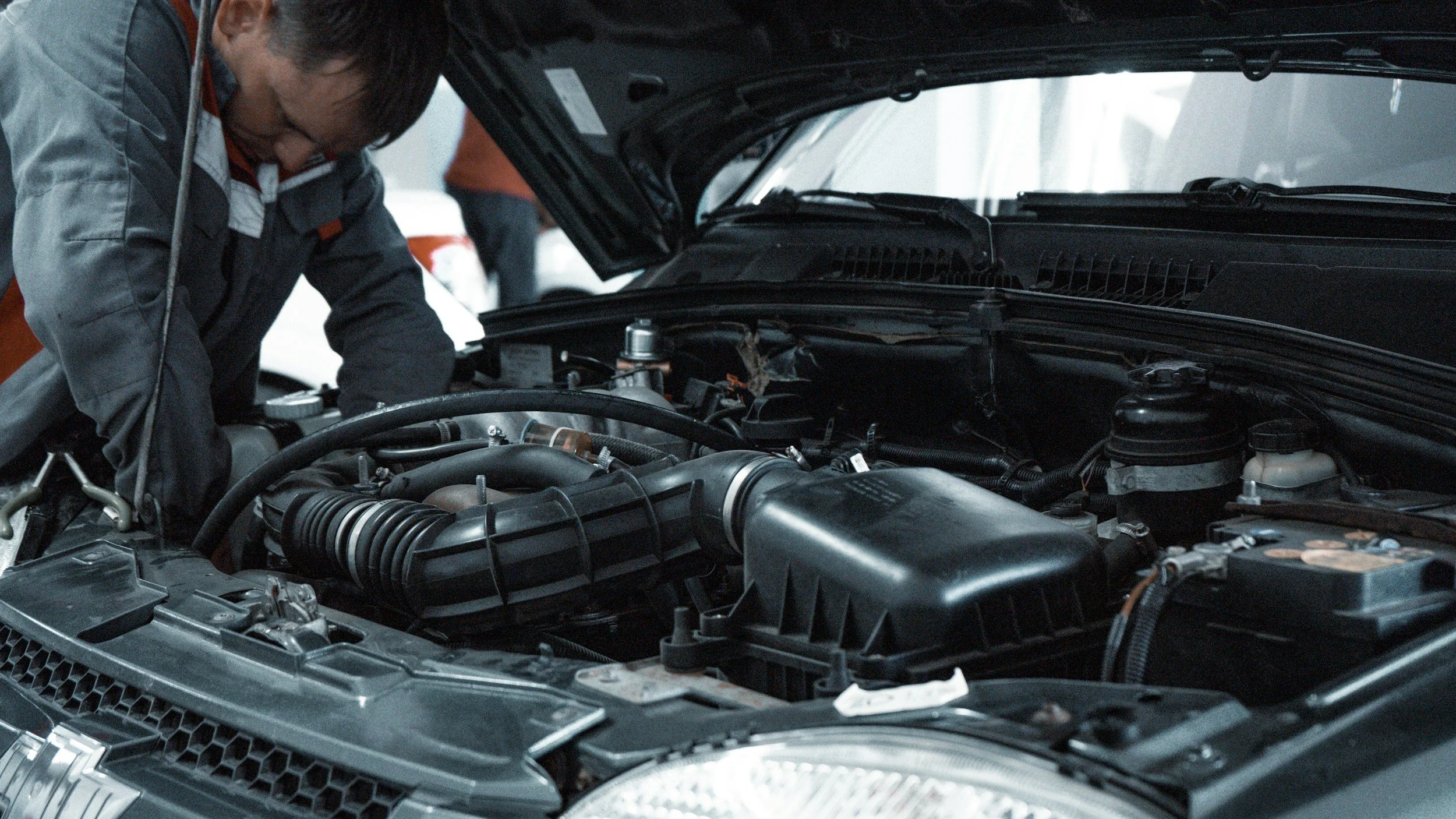
Better Safety and Compliance
When you are using your telematics to your advantage, unsafe habits come to light and you can address these issues efficiently. This reduces risks and creates a more consistent environment. Compliance also becomes quicker to manage when your fleets have data attached to each of them. Logs and records help you to stay within the proper regulations and reduce your workload on the office side of things.
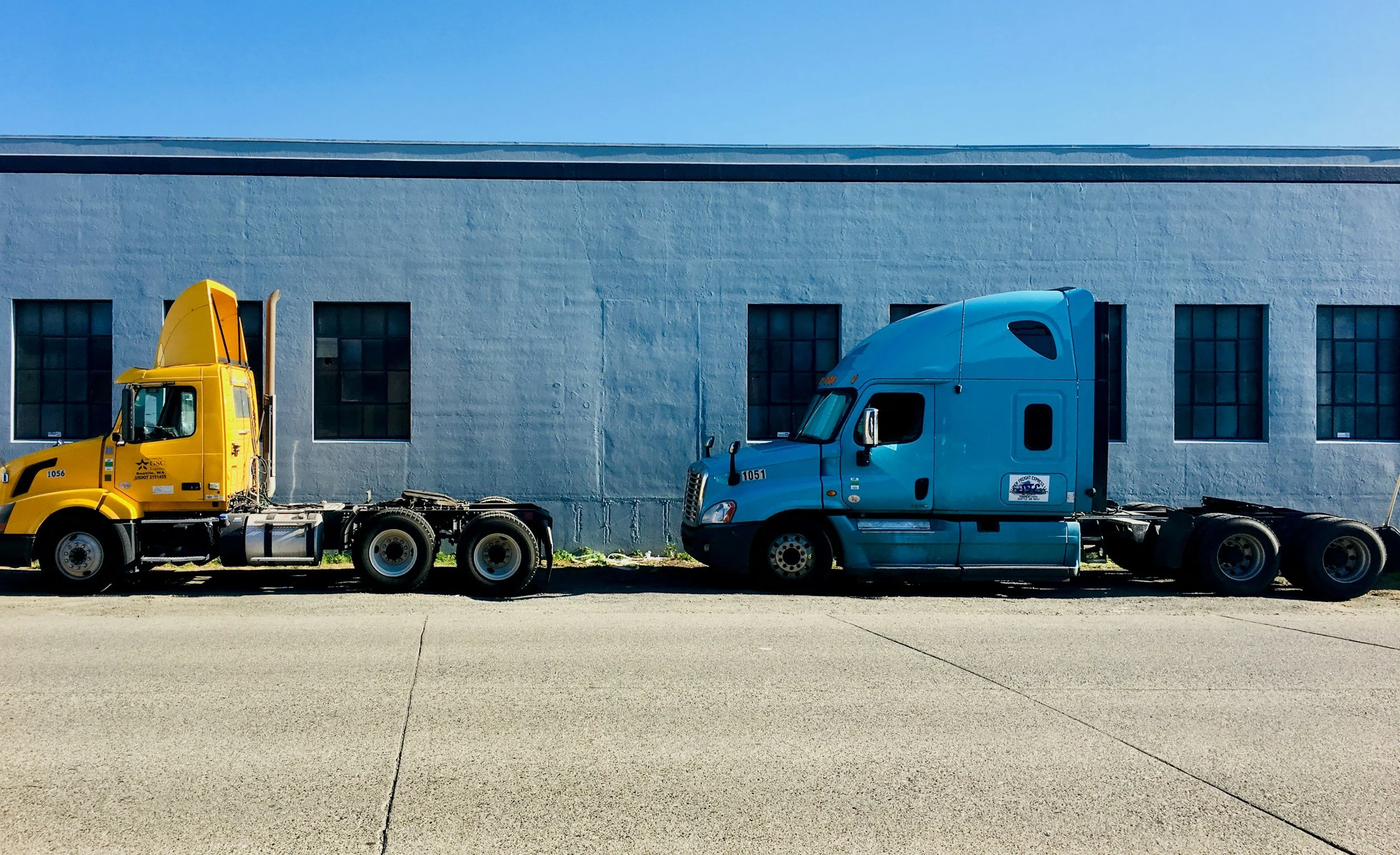
Reduced Downtime and Higher Customer Satisfaction
If you are being proactive with your maintenance schedule and you are paying attention to your data, your unplanned downtime will be less frequent. These features bring early signs of maintenance issues to your attention so you can get them repaired before they lead to more serious breakdowns. This keeps your vehicles on the road and available to you whenever you need them. When your fleet is running efficiently, daily work goes faster and your teams can remain in direct communication with your customers.

Contact Us Today to Manage Your Fleet Operations
Maintaining your fleet and collecting all of the necessary data to track the maintenance and usability of your vehicles can be difficult, especially if you are a smaller operation. That is why Impact Truck & Auto is here to take care of all of this for you. We want to support you in the growth of your business and make sure your trucks stay on the road and out of the shop. Contact us today by calling (814) 387-5031 or send us an email at service@impacttrucks.com to learn more!